
Chemical and process industries depend on the safe and efficient movement of liquids to maintain continuous production. From transferring corrosive chemicals and solvents to circulating cooling fluids and handling wastewater, reliable pumping systems are essential for every stage of operation. Among the various technologies available today, the Centrifugal Process Pump plays a crucial role in ensuring smooth fluid transfer while supporting productivity, safety, and operational efficiency.
As industrial facilities continue to expand and adopt advanced manufacturing practices, the need for dependable fluid handling equipment has become more important than ever. Pumps are no longer viewed as simple mechanical devices; they are critical assets that directly influence process performance, energy consumption, and maintenance costs.
Why Pumps Are Essential in Chemical Processing
Chemical plants handle a wide range of liquids with different properties. Industrial operations often involve handling liquids that can cause corrosion, create wear on equipment, pose safety risks, or demand high levels of purity. Moving these substances safely through pipelines and processing systems requires specialized equipment designed to withstand challenging operating conditions.
A Centrifugal Process Pump is designed to transfer liquids efficiently by using rotational energy generated by an impeller. This design enables smooth fluid movement and stable flow rates, making it suitable for various industrial applications. Its capability to move substantial quantities of fluid without interruption makes it an ideal solution for modern industrial processes.
These pumps are commonly used in chemical manufacturing facilities, refineries, fertilizer plants, pharmaceutical units, water treatment facilities, and petrochemical industries where consistent performance is essential.
Applications Across Chemical Industries
The role of pumping systems extends far beyond basic fluid transportation. In chemical facilities, they are involved in several critical processes that directly impact production quality and operational safety.
A Centrifugal Process Pump is commonly employed to move various industrial fluids, including acids, alkalis, solvents, and specialty chemicals, between storage facilities, processing equipment, and production systems. It is also used in circulation systems that maintain proper temperature and chemical balance during manufacturing operations.
For example, fertilizer plants use pumps to transfer chemical compounds throughout the production cycle, while petrochemical facilities rely on them to process liquids under demanding operating conditions. Pharmaceutical manufacturers use advanced pumping systems to ensure contamination-free liquid handling during production.
Many leading Chemical Pump Manufacturers develop pumps using corrosion-resistant materials such as stainless steel and specialized alloys. These materials help extend equipment life while reducing the risks associated with aggressive chemicals.
Overcoming Industrial Fluid Handling Challenges
Chemical processing environments present several operational challenges that require reliable pumping solutions.
One major challenge is corrosion caused by aggressive chemicals. Exposure to acids and reactive substances can damage equipment over time if unsuitable materials are used. Another challenge is maintaining consistent flow rates during continuous production cycles. Any interruption can result in reduced efficiency and costly downtime.
A Centrifugal Process Pump helps address these concerns through robust construction, advanced sealing systems, and efficient hydraulic performance. Modern designs are engineered to minimize leakage risks while ensuring reliable operation even in demanding industrial environments.
In addition, industries increasingly seek equipment that can operate with minimal maintenance requirements. Reduced downtime helps improve productivity and lowers overall operational expenses.
Improving Efficiency and Energy Performance
Energy efficiency has become a major priority for industrial facilities worldwide. Rising energy costs and sustainability goals are encouraging manufacturers to invest in equipment that delivers maximum performance with lower power consumption.
A Centrifugal Process Pump contributes to these objectives by providing efficient fluid transfer while reducing energy losses. Advanced impeller designs and optimized hydraulic components help improve performance and lower operating costs.
Industries that operate around the clock benefit significantly from energy-efficient pumping systems because even small improvements can result in substantial cost savings over time. This is one reason many facilities consult experienced Horizontal Pump Manufacturers when selecting equipment for large-scale applications.
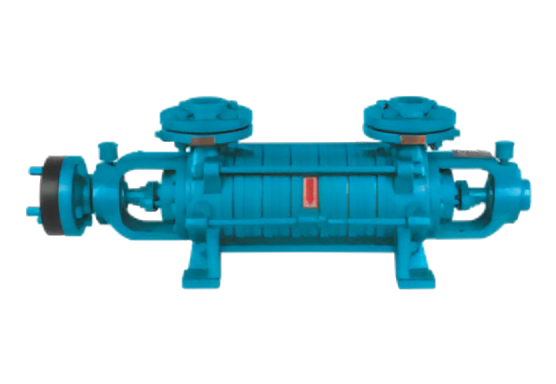
Horizontal pump configurations are particularly valued for their accessibility, ease of installation, and simplified maintenance procedures, making them suitable for continuous industrial operations.
The Rise of Smart Pumping Technology
The integration of digital technologies is transforming industrial fluid management. Modern pumping systems now incorporate sensors and monitoring tools that provide real-time insights into equipment performance.
A Centrifugal Process Pump equipped with smart monitoring capabilities can track important parameters such as pressure, temperature, vibration, and flow rates. Maintenance teams can use this information to detect potential issues before they lead to equipment failure.
Predictive maintenance strategies help reduce unexpected shutdowns, improve equipment reliability, and extend operational life. As Industry 4.0 continues to gain momentum, intelligent pumping solutions are becoming increasingly important in chemical and process industries.
Leading Chemical Pump Manufacturers are investing heavily in smart technologies that help businesses optimize operations while reducing maintenance costs and improving workplace safety.
Selecting the Right Pump Solution
Choosing the right pumping equipment requires careful consideration of fluid properties, operating conditions, pressure requirements, and maintenance needs. Every application presents unique challenges that must be addressed through proper equipment selection.
Experienced Horizontal Pump Manufacturers often provide technical guidance to help industries identify solutions that align with their specific operational requirements. Selecting the appropriate pump can improve efficiency, enhance safety, and support long-term business performance.
Conclusion
The importance of reliable fluid handling systems cannot be overstated in modern chemical and process industries. A Centrifugal Process Pump plays a vital role in transferring industrial liquids safely, efficiently, and consistently across a wide range of applications. From handling corrosive chemicals to supporting continuous production processes, these pumps contribute significantly to operational success.
Businesses seeking dependable pumping solutions should work with trusted industry experts who understand the complexities of industrial fluid management. JEE Pumps offers advanced pumping solutions designed to meet the evolving needs of chemical and process industries.
Contact the team today to discover reliable, high-performance systems that can improve efficiency, reduce downtime, and support long-term operational growth.

Write a comment ...