
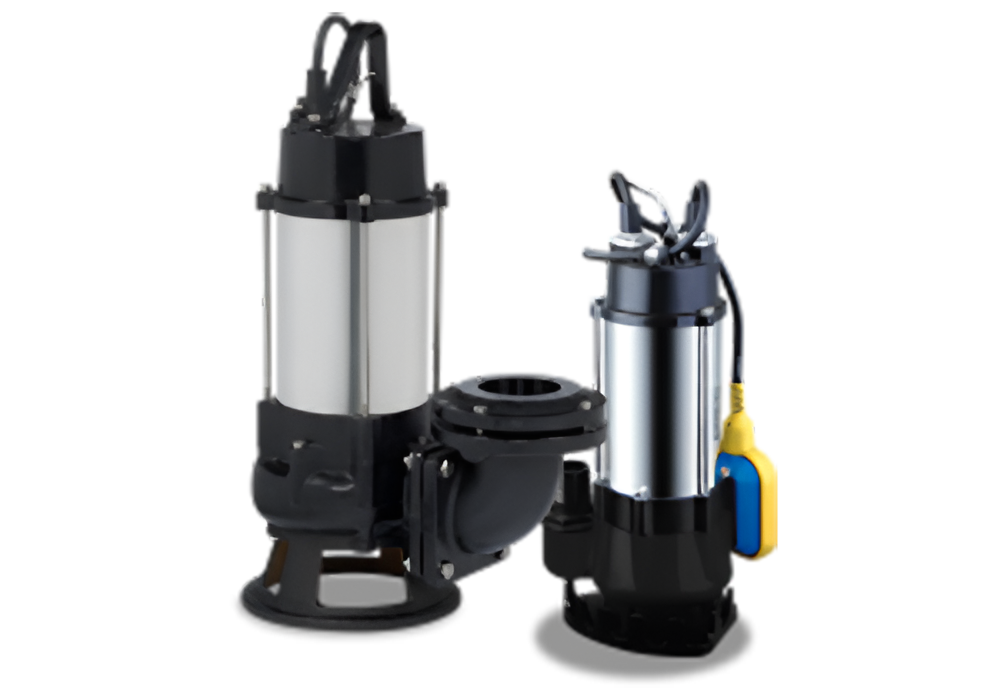
Efficient wastewater management has become a critical need for residential, commercial, and industrial infrastructure. With rising urbanization and increasing water usage, managing sewage and drainage systems effectively is more important than ever. Even a small failure in a wastewater pump system can lead to serious operational and environmental issues. This is where a Sewage Submersible Pump becomes a reliable and essential solution.
These pumps are designed to operate while fully submerged in liquid, making them highly efficient for handling sewage, sludge, and wastewater. Their advanced design ensures smooth operation, low noise levels, and minimal maintenance, making them a preferred choice for modern drainage systems.
How Does It Work?
The working principle of a Sewage Submersible Pump is simple yet highly effective. The pump is installed directly inside the liquid that needs to be transferred. It uses a sealed motor connected to an impeller, which pushes wastewater through a discharge pipe.
Since the pump remains submerged, it eliminates the need for priming and significantly reduces the risk of cavitation. This allows continuous and efficient operation without interruptions. In comparison, solutions like an Effluent Pump are generally used for cleaner water with fewer solids, whereas submersible systems are built to handle heavier and more challenging waste.
Key Benefits
High Efficiency
These pumps operate directly within the fluid, improving energy efficiency and reducing power consumption. This makes them suitable for continuous and long-term operations.
Low Maintenance
The sealed construction protects internal components from damage, reducing wear and tear. As a result, maintenance requirements are minimal.
Space-Saving Design
Unlike traditional systems, these pumps do not require extra installation space. Their compact design allows easy placement in underground tanks or pits.
Quiet Operation
Because the pump works underwater, noise levels are significantly lower compared to surface-mounted systems.
Reliable Performance
A Sewage Submersible Pump is designed to handle solids, sludge, and waste materials without frequent clogging, ensuring smooth and uninterrupted performance.
Applications Across Industries
These pumps are widely used across multiple industries due to their durability and versatility.
In residential areas, they are commonly used for basement drainage, septic systems, and floodwater removal. Commercial facilities such as hotels, hospitals, and shopping complexes depend on them for efficient wastewater management. Industrial units use them to handle effluents and heavy-duty drainage requirements.
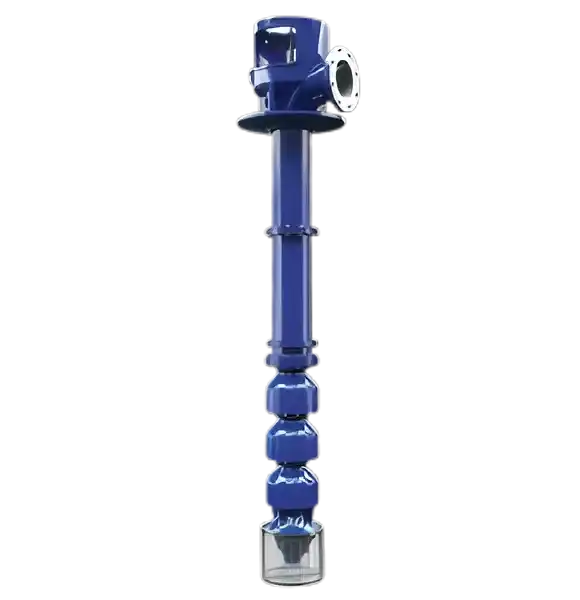
In certain setups, systems like a Vertical Pump are used where design or space constraints require a different configuration. However, submersible pumps remain the preferred option for handling sewage due to their efficiency and performance.
Selection Guide
Choosing the right pump is essential for long-term efficiency and reliability. Consider these key factors before making a decision:
Flow Rate
Evaluate the volume of wastewater that needs to be handled. Selecting the correct capacity ensures smooth and efficient operation.
Head Capacity
This refers to the vertical distance the pump must move the liquid. Always choose a pump that meets your system requirements.
Material Quality
Select corrosion-resistant materials such as stainless steel or cast iron for durability, especially in harsh conditions.
Type of Waste
If the wastewater contains fewer solids, an Effluent Pump may be sufficient. However, for heavier waste and sludge, submersible pumps are more suitable.
Installation Requirements
Assess the available space and system layout. In some industrial applications, a Vertical Pump may be used alongside other systems to improve overall performance.
Maintenance Tips for Long-Term Performance
Proper maintenance is essential to ensure long-lasting performance. Regular inspection helps identify potential issues early and prevents costly repairs.
Keep the pump free from blockages and debris. Check electrical connections and monitor system performance regularly. Periodic cleaning also helps maintain efficiency and reliability.
Using a high-quality Sewage Submersible Pump reduces the chances of frequent breakdowns and ensures consistent operation over time.
Why It Matters in Modern Infrastructure
With increasing environmental concerns and stricter regulations, efficient wastewater management has become essential. A reliable pumping system helps prevent waterlogging, reduces contamination risks, and supports sustainable development.
A Sewage Submersible Pump plays a key role in maintaining hygiene and ensuring proper disposal of wastewater. Its ability to operate in demanding conditions makes it an important part of modern infrastructure.
Conclusion
Choosing the right pumping solution is crucial for achieving efficient and reliable wastewater management. From improved performance to reduced maintenance, the benefits are clear. Understanding the working, advantages, and selection factors helps businesses and homeowners make informed decisions for a better wastewater pump system.
If you are planning to upgrade your drainage or wastewater system, selecting a trusted partner is equally important. With advanced technology and a strong focus on quality, JEE Pumps offers reliable solutions designed to meet modern industrial and residential needs. Get in touch today to find the right pump for your application and ensure long-term efficiency.
Source Url: https://yoursocial.it.com/blogs/24086/Sewage-Submersible-Pump-Benefits-Working-and-Selection-Guide

Write a comment ...